
Climate Based Daylight Modelling
Walker Energy Analysis carries out climate based daylight modelling, using dynamic simulation in IES Virtual Environment to assess daylight performance against a full year of real weather data, rather than a single fixed sky condition. This is the method required for DfE school projects, and it gives a genuinely more realistic picture of how a space performs across the year than a static daylight factor calculation alone.
Why Climate Based Modelling Goes Further Than Daylight Factor
A daylight factor calculation assumes a single, overcast sky and gives a snapshot result. Climate based daylight modelling instead simulates the space across an entire year of local weather data, direct sun, diffuse sky, and everything in between, and reports how daylight actually behaves over time.
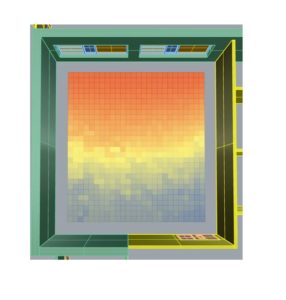
That produces a different, more useful set of results. Spatial daylight autonomy, sDA, reports the percentage of a room’s floor area that receives enough daylight for a sufficient proportion of the year’s occupied hours, giving a genuine sense of how much of the space is well-lit, not just a single average figure for the whole room. Useful daylight illuminance, UDI, reports the proportion of occupied time that daylight levels in a space fall within a useful range, neither too dim to see comfortably by, nor so bright it becomes glary or forces blinds to be drawn.
Together, sDA and UDI give a design team a genuinely more nuanced result than a single daylight factor number, and let us flag conflicts, a space that scores well on one metric but poorly on the other, before they reach site.
- Annual dynamic daylight simulation in IES VE, using local climate data
- Spatial daylight autonomy, sDA, reporting how much of a space is well daylit across the year
- Useful daylight illuminance, UDI, reporting how much of the occupied time daylight levels are genuinely useful
- Reporting structured for DfE technical requirements
- Design-stage feedback where glazing, shading or room geometry needs adjusting to meet target
Where This Is Used
Climate based daylight modelling underpins the daylight requirement in the DfE’s Technical Manual for schools, assessed alongside energy and overheating as part of the same technical package. If your project already needs a DfE technical submission, this is the daylight assessment it requires.
Why Work With Us
We’re a specialist energy consultancy. This is the core of what we do, not a sideline. Every assessment runs through IES VE as standard, we turn changes around quickly, and results come back in a format your team and the DfE’s technical reviewers can use immediately.
FAQs
Q: What’s the difference between this and a standard daylight factor assessment?
A: Daylight factor is a static calculation under one fixed sky condition. Climate based daylight modelling simulates the space across a full year of real weather data, giving a more detailed and realistic result.
Q: What does sDA actually measure?
A: Spatial daylight autonomy measures how much of a room’s floor area receives sufficient daylight for enough of the year’s occupied hours, so it tells you how much of the space is genuinely well-lit, rather than a single average for the whole room.
Q: What does UDI measure?
A: Useful daylight illuminance measures how much of the occupied time daylight levels stay within a useful range, avoiding spaces that are either too dim or so overlit that occupants need to close blinds.
Q: Is this required for school projects?
A: Yes, the DfE’s Technical Manual requires climate based daylight modelling for teaching spaces, alongside its energy and overheating requirements.
Get a Realistic Daylight Assessment for Your Project
Talk to Walker Energy Analysis while glazing and shading are still open to change

Does your project need something else?